At first glance, the HomePod Mini 2 seems like a modest step forward. When Apple unveiled the device at its Welcome Home event, the specifications felt underwhelming for a product retailing at 149 dollars. With no upgrades to the actual sound system and a price hike of 50 dollars over the original model, it initially appeared that Apple had simply phased in a faster chip and some cosmetic tweaks without offering true innovation. However, after integrating several units into a home office environment, the practical benefits become surprisingly apparent.
The most immediate victory is the sheer speed of the user experience. Thanks to a jump from the S5 to the S10 processor and the addition of Wi-Fi 6E, Siri feels transformed. Tasks that previously took ten seconds now happen almost instantaneously, with music starting and smart home commands executing in under three seconds. Beyond raw speed, Siri has become less verbose; rather than chatting back with unnecessary confirmations when turning off lights or opening shades, the speaker now simply performs the task in silence. While the highly anticipated AI integration is still pending a future software update, these baseline improvements make the device feel significantly more modern.
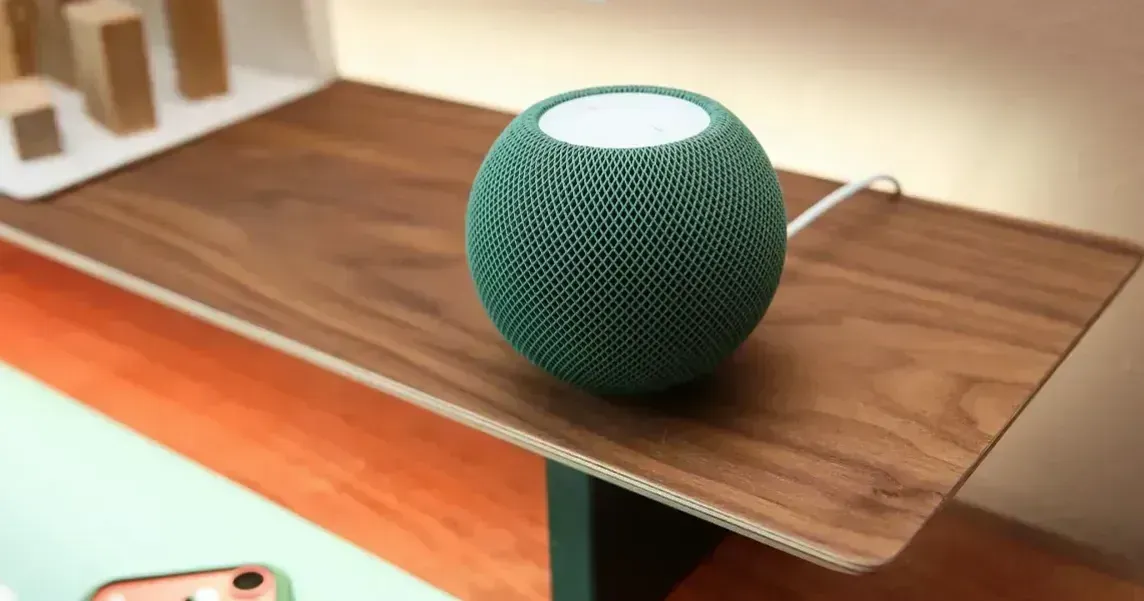
Visually, Apple has nailed a new aesthetic with a deep green color option that manages to look sophisticated across different rooms. While it maintains the same physical footprint as its predecessor, including a matched fabric cord and an embossed logo on the base, this specific hue elevates it above previous iterations. Though there were no internal audio changes, two units paired as stereo speakers still provide impressive room filling sound with clear vocals and punchy bass. Additionally, users can now disable touch controls through the Home app—a welcome change for anyone who has ever accidentally blasted music in the middle of the night—and enjoy Sound Glow LEDs that shift colors based on album artwork during Apple Music playback.
Despite these wins, there is one glaring frustration regarding connectivity. Apple marketed a responsive and persistent AirPlay connection designed to let users set their HomePod as the default speaker for their Mac. Even with current hardware like an M4 Mac Mini and updated software versions, getting this feature to function reliably proved impossible during initial testing. Instead of a seamless transition, it behaved like standard AirPlay with frustrating lags and occasional signal drops. It is a disappointing failure for what was supposed to be a signature productivity feature, leaving users with a fast and beautiful speaker that cannot quite bridge the gap to their computers perfectly.