At its annual Max conference, Adobe once again pulled back the curtain on a series of experimental prototypes that blur the line between static media and immersive experiences. Among the most striking reveals was Project Sight Span, a tool capable of transforming a standard two dimensional photograph into an explorable three dimensional scene. Users can effectively step inside an image, navigating through the space and viewing angles that were never captured by the original lens. While the initial navigation looks somewhat pixelated, the system restores high resolution once a final angle is selected, essentially inventing background details that maintain the artistic style of the source material.
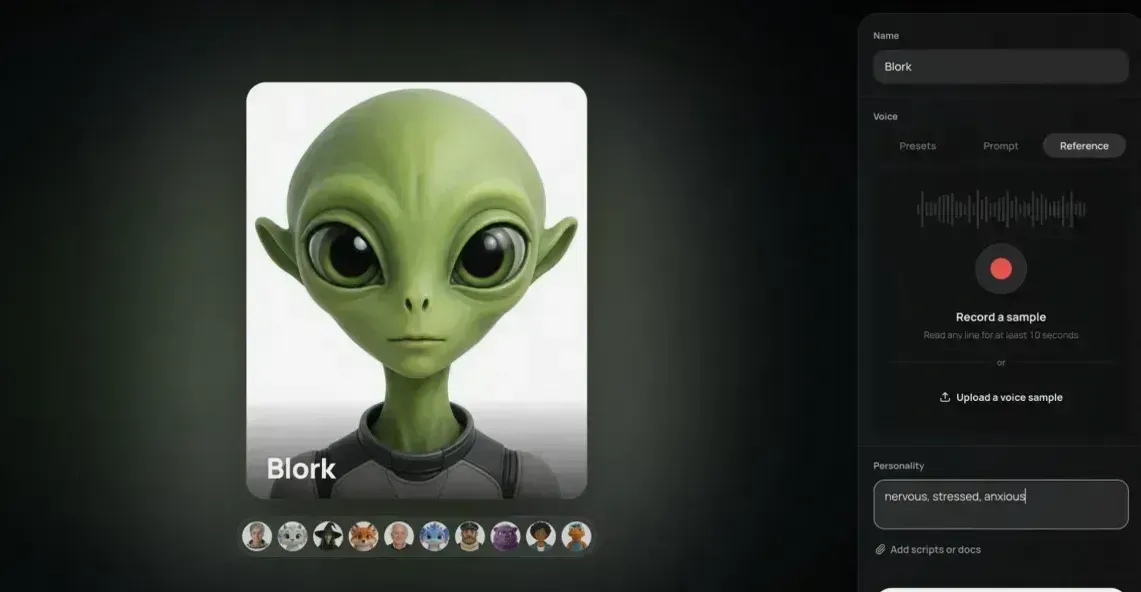
For filmmakers and storytellers, Adobe introduced Project Screen Test, which reimagines how digital characters are born. Rather than relying solely on sterile text prompts to define a persona, creators can now conduct virtual auditions by chatting with their AI characters via a FaceTime like interface. By discussing backstories, fears, and mannerisms in real time, users can mold a more nuanced and consistent personality before generating animated test clips. This move toward conversational direction aims to give artists more intentional control over AI video generation, moving away from the often soulless feeling of automated animation.
The innovation extends into audio and efficiency as well. Project Sound Bender allows editors to mix sound effects using an intuitive spatial canvas; instead of scrubbing through timelines, users drag a cursor across a grid to blend generated noises like bubbling cauldrons or electrical fires in real time. Meanwhile, Project Rinse Repeat brings a much needed shortcut to Photoshop by allowing users to copy complex edits—such as skin retouching or shadow placement—and automatically apply them to other subjects within the same frame while keeping the layers fully editable.
While these sneak peeks aren’t guaranteed to become permanent fixtures in the Creative Cloud suite, they signal a broader shift in how Adobe views the intersection of creativity and artificial intelligence. According to company researchers, these tools are designed to bridge the gap between creative intent and technical execution. By turning complex workflows into interactive exercises that feel almost like toys, Adobe hopes to provide professional creatives with more precise control without sacrificing the spontaneity of the imaginative process.